


Rodents
To find out more about any of the rodents below, just click on their image for detailed information about that specific rodent.
Rodent Control in South Florida
Arrest-A-Pest can help you eliminate your rodent problem. Our trained professionals will come to your house to get a sense for the issue and find a proper plan of action. Rodents can be a huge hassle in the home. Once they build a nest, they are very taxing to get rid of. Rodents seek the warm, cozy security of food, water, and warmth that your house provides. As soon as you sense that you have a rodent problem, you should call a professional.
Rodents are a very dangerous pest in your home. They carry many harmful bacteria and diseases. They can also bring in ticks and fleas, which carry diseases of their own. Some rodent droppings befoul the surfaces they come into contact with. If you come into contact with a rodent in your home, you should not handle it yourself — any of the fluids they carry, including their saliva, can contain disease and bacteria. If they come out of the walls, it could mean your house is infested. In either case, you should call a professional such as Arrest-A-Pest to identify and remove the rodent.
Rodents are consistently breeding. That means they are constantly multiplying within the walls of your home, making it harder to get rid of them. A professional can help you eliminate the rodents and then advise you on the places you need to seal. If you seal them before you eliminate the infestation in its entirety, they will just come back because they never really left. It is crucial that you contact a professional so they can help you take care of the issue the first time.
There are many tactics you can use to prevent rodent infestations. Rodents like cardboard for their nests, so you should not keep cardboard boxes in the kitchen where they can come out to nest. Rodents are also attracted to cereals, different grains, and other dry foods — keep these food sources sealed in containers. Never leave food waste on your kitchen counters; this will attract rodents and befoul the countertops. Store your vegetables and fruits away to prevent the attraction. Secure any point of entry and cover the pipes on your roof. Plant trees a good distance from your roof and home. These are the best preventative measures you can take.
Arrest-A-Pest will inspect and take all of the most effective preventative measures possible. We know the damage rodents can produce, so we want to catch them before the nest starts to grow rapidly. All of our plans are personalized to meet your needs. We will provide sanitation, trap rodents to reduce the population, and proof the house against them. Call us today to learn more!
Common Florida Rodents: How to Tell Them Apart
Florida's most common residential and outdoor rodents are roof rats, Norway rats, house mice, and cotton rats. Correct identification relies on body size, nesting habits, and physical features such as tail length and snout shape.
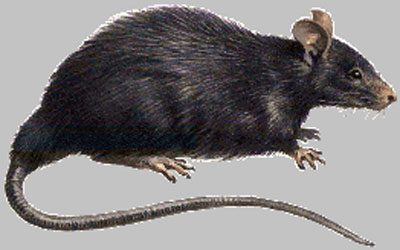
Roof Rat (Rattus rattus)
- Also known as:
- Black rat, fruit rat.
- Appearance:
- Slender bodies (6–8 inches long) with tails that are longer than their head and body combined. Large, hairless ears, pointed snouts, and smooth dark brown or black fur.
- Habitat:
- Expert climbers. Commonly nest in attics, roof voids, trees, and dense shrubbery.
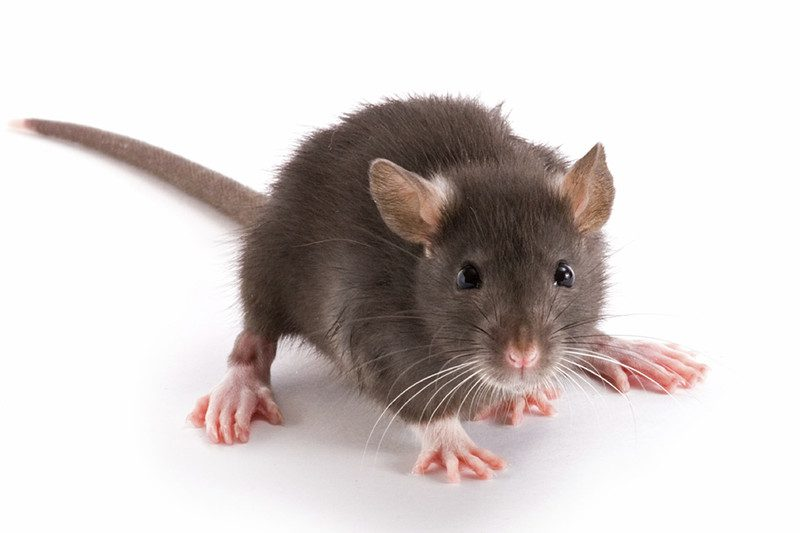
Norway Rat (Rattus norvegicus)
- Also known as:
- Brown rat, sewer rat, wharf rat.
- Appearance:
- Larger and stockier than roof rats (7–10 inches long) with a tail shorter than their head and body. Blunt noses, small hairy ears, and coarse brownish-grey fur.
- Habitat:
- Strong burrowers. Stay at ground level and nest in burrows under foundations, woodpiles, and crawl spaces.
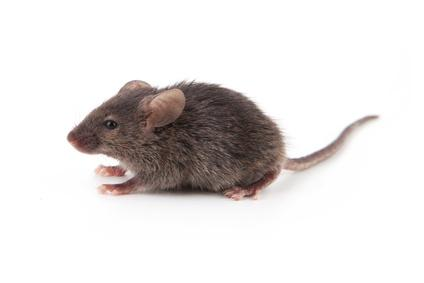
House Mouse (Mus musculus)
- Also known as:
- Common mouse.
- Appearance:
- Very small (2.5–4 inches long) with a long, semi-naked tail. Large ears, pointed snouts, and dusty grey or brown fur.
- Habitat:
- Highly adaptable; will nest directly inside walls, cabinets, and furniture near food sources.
Cotton Rat (Sigmodon hispidus)
- Also known as:
- Hispid cotton rat.
- Appearance:
- Medium-to-large with a thick, heavy-set body and coarse, grizzled brownish-black fur. Shorter tails and smaller ears buried in their fur.
- Habitat:
- Typically live outdoors in tall grasses, overgrown fields, and agricultural areas, though they occasionally wander into yards.
5. Other Outdoor & Native Florida Rodents
- Voles:
- Often mistaken for mice, these small rodents have stocky bodies and short tails. They dig shallow, winding tunnels just beneath the soil's surface, damaging lawns.
- Florida Mouse:
- A native, protected species primarily found in scrub habitats and pinelands, easily distinguished by their bright, cinnamon-orange fur and white underbellies.
- Pocket Gophers:
- Strictly subterranean rodents that rarely emerge from the ground, leaving behind fan-shaped mounds of excavated dirt in yards.